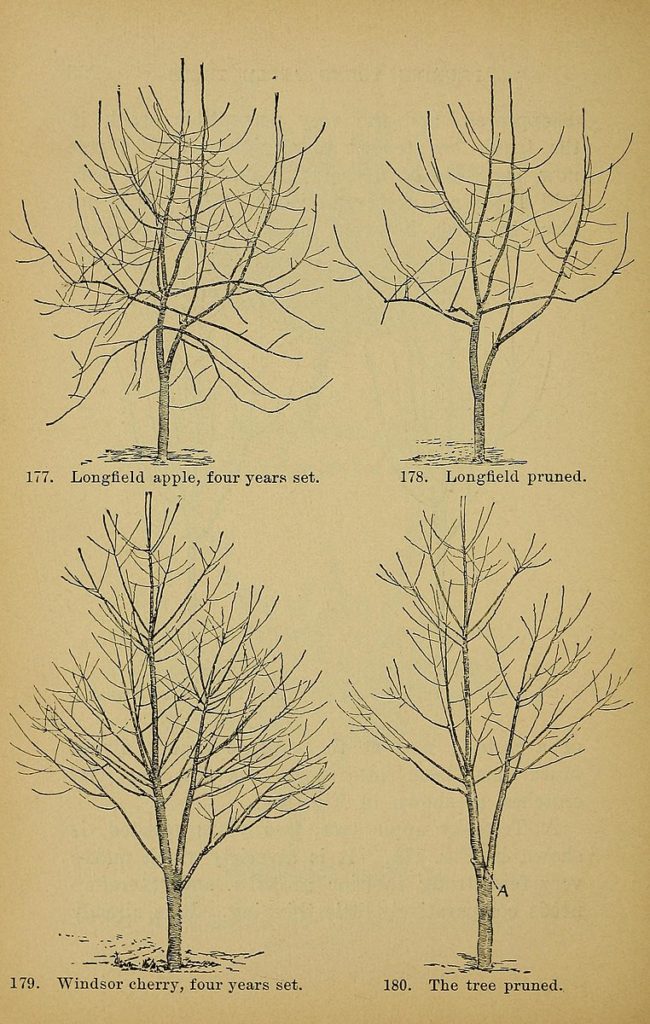
Parents are often mystified by the teenage brain. In fact, I don’t think many us want to travel back to our teenage brain. But there is an explanation. Current research shows that brain development goes through two stages: growth spurts and pruning. It sounds a lot like a tree.
These growth spurts begin in the womb. Another spurt begins between the ages of 10 to 13 — around puberty. After this brain overgrowth, there is some pruning and organizing of neural pathways. Your teenager is not yet thinking with the CEO part of the brain — his/her pre-frontal cortex (like adults.) From the ages of puberty to about age 25, the adolescent brain is still pruning; the connections that govern judgement are still connecting.
It could be your teenage daughter is emotional because she reacts to emotion from the Amygdala instead of the CEO portion of her brain. I found a great book about this — by Goldie Hawn, called 10 Mindful Minutes. She also helped to created a curriculum which I wish had been available when I was homeschooling — Mindup.
“If a teen is doing music, sports or academics, those are the connections that will be hard-wired. If they are lying on the couch or playing video games or MTV, those are the cells and connections that are going to survive.” Dr. Jay Giedd
Although, video gaming is now proving to have some positive aspects. I’m not saying we should come down hard on our teens and become a dragon-mother. Even though teens want to be independent, they need to know we love them. They need good memories and strong pathways of good times with mom, dad and family. It’s good to recall these memories too, so those brain connections remain strong.
“With all the science and with all the advances, the best advice we can give is things that our grandmother could have told us generations ago: to spend loving, quality time with our children.” Dr. Jay Giedd
My husband grew up on an orchard, pruning fruit trees. When it comes to fruit trees, pruning has a direct impact on how much fruit a tree will bear the next season. It even seems odd to be thinning the fruit on branches, but this is necessary to get the larger fruits.
Used to monitor number of Google Analytics server requests when using Google Tag Manager
1 minute
_ga_
ID used to identify users
2 years
_gid
ID used to identify users for 24 hours after last activity
24 hours
_ga
ID used to identify users
2 years
_gali
Used by Google Analytics to determine which links on a page are being clicked
30 seconds
__utmv
Contains custom information set by the web developer via the _setCustomVar method in Google Analytics. This cookie is updated every time new data is sent to the Google Analytics server.
2 years after last activity
__utmx
Used to determine whether a user is included in an A / B or Multivariate test.
18 months
__utmb
Used to distinguish new sessions and visits. This cookie is set when the GA.js javascript library is loaded and there is no existing __utmb cookie. The cookie is updated every time data is sent to the Google Analytics server.
30 minutes after last activity
__utmc
Used only with old Urchin versions of Google Analytics and not with GA.js. Was used to distinguish between new sessions and visits at the end of a session.
End of session (browser)
__utmz
Contains information about the traffic source or campaign that directed user to the website. The cookie is set when the GA.js javascript is loaded and updated when data is sent to the Google Anaytics server
6 months after last activity
_gac_
Contains information related to marketing campaigns of the user. These are shared with Google AdWords / Google Ads when the Google Ads and Google Analytics accounts are linked together.
90 days
__utma
ID used to identify users and sessions
2 years after last activity
__utmt
Used to monitor number of Google Analytics server requests